
 866-589-5339





Does Car Insurance Cover Flood Damage?
Water damage falls under comprehensive coverage, but it doesn’t cover all incidents.
Get quotes from providers in your area

Discover rates as low as $24 /month


Last updated: December 19, 2024

Most people haven't compared rates in over a year.
Rates change constantly. A quick comparison takes 2 minutes and could put hundreds of dollars back in your pocket.
Water damage can cause serious and expensive damage to cars. Whether you experienced a hurricane or left your windows open during a light rain, how the water damage happened matters if you want to get compensated for repair costs under a comprehensive car insurance claim. In this article, we’ll explain when comprehensive coverage applies to water damage, how much comprehensive coverage costs, and everything you’ll need to do in the event of a flood.
Does Car Insurance Cover Flood Damage?
Yes, car insurance covers flooding under comprehensive coverage. Comprehensive coverage isn’t required by any state, though your lender may require it if you financed or leased your vehicle. To be protected against flooding, you’ll need to add comprehensive coverage to your policy.
Comprehensive insurance generally covers water damage, including damage to the engine, with some exceptions. For instance, if water enters because you left the windows open, this would be considered negligence and isn’t covered. In short, as long as the water damage isn’t due to your own actions, comprehensive coverage applies.
Does Car Insurance Cover Wind Storms and Tornadoes?
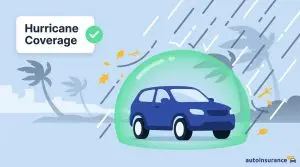
Comprehensive coverage includes natural disasters coverage, so if your water damage is from wind storms, hurricanes, tornadoes, hail, lightning strikes, or another extreme weather event, it’ll be covered.
Does Car Insurance Cover Driving Through Large Puddles or Flooded Streets?
If your car got water damage from driving through a huge puddle or flooded street, the damages will likely still be covered under a comprehensive claim.1
Does Car Insurance Cover Leaks After Heavy Rains?
If you’ve properly maintained your car and water leaks into your car after a heavy rain, then yes, you can get your water damage covered. However, if your car isn’t in good condition, you may have to pay for the water damage out of pocket, as your insurance company may deem the damage due to negligence or regular wear and tear, both of which aren’t covered.
How to Protect Your Car From Flooding
Three actions can protect your car from getting flooded in the first place:
- Get to higher ground. Move your car onto higher ground if you know a major weather event is on its way. Check your city’s evacuation plan to find out where to park during a flood.
- Cover your car. To protect your vehicle, purchase a car cover, essentially a waterproof bag that you can drive your car into to protect it.2
- Seal everything. Don’t forget to close all of your doors and windows, plus your trunk and sunroof, if you have one. If anything is broken or can’t be closed for whatever reason, seal it with either a plastic bag or a large trash bag.
What to Do if Your Car Is Flooded
Despite your best efforts, sometimes water damage is inevitable. However, your car may be salvageable, in some cases.
Can my Car Survive Flood Damage?
To find out if you can dry out your car:
- Survey the damage. Depending on how deep the floodwaters were, and whether the waters were salt or freshwater (salt is more corrosive), you may be able to salvage your car. But if it’s completely flooded, don’t try to start it, as it’ll cause engine damage.
- Document everything. Take notes and pictures of all the damage; you’ll need this evidence when you file a claim.
- Dry out your car. Open your car’s doors and windows to let fresh air in. You can use fans and dehumidifiers to speed up the drying out process. Throw out any wet items. If you have asthma or a mold allergy, you may want to avoid drying out your car yourself, as it could cause respiratory illness.
- Tow your car. Get your car towed to move it to higher ground.
NOTE:
Before you get your car towed, you have to drain its lubricant, oil, and transmission fluid.3
- File a claim. Next, file a claim by contacting your insurance provider. Your provider will have you meet with an adjuster to determine the cause of the flood and how much damage will be covered. You’ll also sign and submit a proof of loss statement.
How long your claim takes will vary based on the company and the disaster. Learn more about insurance claims.
What if My Car Floated Away?
If your car floated away:
- Contact your local police station’s unclaimed auto department to see if it has recovered your car.4
- File a claim either way. If your car hasn’t been recovered, you’ll be reimbursed for its actual cash value (ACV). If your car hasn’t been recovered, you’ll be reimbursed for the necessary repairs.
What if Flooding Totaled My Car?
A car is declared a total loss, or totaled, if:
- It can’t be repaired safely.
- The repairs would cost more than the car’s ACV.
- The damage meets your state’s local guidelines.
If your car is totaled from a flood, comprehensive insurance will cover the cost of its ACV, or the purchase price or remainder of your loan if you have gap coverage in addition to comprehensive coverage.
What if My Flooded Car Isn’t Totaled?
If your car isn’t totaled, you can get reimbursed for the repairs under your comprehensive coverage, after you meet the deductible.
How to Stay Safe During a Flood
During a flood, it’s important to protect not only your car, but also your home, especially if the car is parked in your garage.
- Avoid flood zones. If you can, avoid driving in flood zones, as your vehicle could get stuck or be swept away. This will greatly minimize your risk of flooding, if you have a trustworthy flood map.
- Drive carefully. If you must drive through flood zones, drive slowly and make sure the water isn’t reaching your car’s undercarriage. Keep clear of other cars, and keep your engine revving to prevent the exhaust from sucking up water.5
- Stop the water. If the water damage isn’t coming from the weather, try to stop it at its source if you can.
- Turn off electricity and gas. Turn off your home’s electricity and natural gas in order to protect your home in addition to your car. Remember, typical homeowners insurance policies don’t cover flooding. Rather, you can purchase flood insurance through the National Flood Insurance Program, available at many regular carriers. Call the Federal Emergency Management Agency at 877-336-2627 for more information.
- Call for help. Call 911 for any and all emergencies.
What if I Owe More Than the Settlement Amount?
In the worst-case water damage scenario, your car is totaled, meaning that the repairs cost more than what your car is worth. In that case, comprehensive coverage would reimburse you for the actual cash value (ACV) of your vehicle.
However, if your car’s ACV is lower than what you owe on a loan or lease, you are still on the hook to pay back the car in full. Gap insurance pays for the difference between what you owe and what your car is worth (minus any deductible). If your provider offers gap coverage, you can typically add it for just a few dollars per month.
If you don’t have gap insurance and you can’t afford the remaining loan payments, you might have to refinance your auto loan.
What if I Think My Car Is Worth More?
Insurance companies value cars based on their vehicle safety ratings, mileage, repairs, and other factors. If you disagree with the ACV:
- Talk to your appraiser. Be sure to mention anything that might increase your car’s value, like low mileage on the odometer.
- Gather evidence. Research similar vehicles and their selling prices, and give this information to your appraiser.
- Hire a private appraiser. If you can’t come to an agreement with the appraiser that your insurance company provided, hire a private appraiser for a second opinion.
FYI:
Hiring a private appraiser will cost you $200 to $500 out of pocket.
- Check Kelley Blue Book. The Kelley Blue Book is one of the most authoritative vehicle valuation tools. Look up your vehicle to get an estimate of its ACV.
How to Get a Copy of the Title
If your car was badly damaged and your title was in the car, you may have lost its proof of ownership. If it’s missing or has been destroyed, you’ll need to get a duplicate title through your state’s DMV or equivalent agency. Here’s how:
- Complete a duplicate title application. Most states require a specific form requesting a replacement title. The form typically asks for the vehicle identification number (VIN); your car’s make, model, and year; registered owner’s name and address; and driver’s license.
- Provide identification. You’ll also need proof of identity, such as a driver’s license or state ID card.
- Pay the replacement fee. States usually charge a fee between $10 to $60 for a duplicate title.
- Submit the application. You can do this online, by mail, or at a DMV office.
- Receive your title. It typically takes one to three weeks to receive your title in the mail.
Will My Insurance Rates Increase After a Flood?
Unfortunately, your insurance rates could increase after a flood, even though it wasn’t your fault. However, you can expect that they won’t increase as much as they would have if you were involved in an at-fault accident. In general, auto insurance costs more in areas prone to extreme weather like flooding.
Comprehensive claims suggest a slightly higher risk for future claims, but each company has its own policy on how much they’ll affect your premiums. When you buy your policy, ask your agent or broker about premium increases following comprehensive claims.
More on Comprehensive Coverage
What Is Comprehensive Coverage?
Comprehensive coverage is a type of supplemental coverage that includes:
- Auto theft
- Car vandalism
- Weather-related incidents like hail, floods, or sinkholes
- Falling rocks
- Other non-collision damages
If you experience any of these, comprehensive coverage would reimburse you for the repair or replacement costs related to them, after you pay your comprehensive deductible.
When to Add Comprehensive Coverage
To get the above events covered, add comprehensive coverage when you purchase your policy and ask your insurance agent to add it to an existing policy. If you didn’t add it on and your car has water damage, you can’t get it covered retroactively by adding comprehensive coverage to your policy. Additionally, insurance companies often restrict changes to policies when a storm is approaching, which prevents people from purchasing additional coverage shortly before a storm.
We recommend getting full coverage, which includes bodily injury, property damage, medical payments, comprehensive, and collision coverage.
Do I Need Comprehensive Coverage?
Unless you have an older car, you usually need comprehensive coverage. The reason that older cars don’t always need comprehensive coverage is that repairs will most likely cost more than the car’s ACV, so it might be cheaper to pay out of pocket. If you leased or financed your vehicle, your lender will typically require you to carry comprehensive and collision coverage.
Otherwise, you need comprehensive coverage, even on a car that doesn’t run or is in storage. While you might not be using a car currently, it is still susceptible to weather-related damage, vandalism, and theft, so if you ever plan on using it, keep your comprehensive coverage active.
Comprehensive Claims Deductibles
Comprehensive coverage comes with a deductible. The deductible is the amount of money you’ll have to pay toward a covered claim before your auto insurance kicks in. Deductibles for comprehensive claims tend to be around $500, although they can range from $0 to $2,000.
For example, if your car is damaged and will cost $5,000 to fix and you have a $1,000 deductible, you’d pay the initial $1,000 and your insurer would cover the remaining $4,000.
Higher deductibles mean lower auto insurance premiums, but choose a deductible you could afford to pay tomorrow if you needed to. If you can’t afford your deductible, you may need to take out a loan or arrange a payment plan with the repair shop, leading to higher costs in the long-run.
Does Comprehensive Cover Aftermarket Equipment?
Comprehensive coverage applies only to equipment that the original manufacturer installed.6 Say you installed aftermarket equipment in your car, such as custom speakers or light racks. If any of these aftermarket products gets damaged, you won’t be able to get reimbursed for damages under comprehensive coverage. Some insurance companies offer custom parts and equipment (CPE) coverage, which does cover damage to these products.
Recap
With a few exceptions, like leaving your car windows open in a rainstorm, people with comprehensive coverage should be able to get their water damage covered. While this coverage is optional, it’s usually worth adding to your policy. While you can’t always control whether your vehicle gets damaged due to natural disasters, there are always steps you can take afterward.
If your car does have flood damage, make sure to:
- Check your car for damage and take pictures
- Dry out the car thoroughly
- File a claim with your provider
- If needed, get a duplicate copy of your title
Frequently Asked Questions
It depends. Your premium may increase after a claim for flood damage, but it will impact your rates less than an at-fault accident. If the flood is the result of a natural disaster, your auto insurance company may raise rates anyway, since it indicates a higher risk of flooding in your area.
It’s best to report water damage to your provider immediately, though it depends on your state’s statute of limitations for property damage. Laws in most states allow you to file a claim for up to two to three years after the damage occurred.
The $3,000 rule helps auto owners decide whether to keep or trade their vehicle. If your car needs repairs that cost more than $3,000 per year, it’s likely more inexpensive to trade it in for a newer car rather than continue paying for repairs.
Sources
Does car insurance cover water damage? Progressive. (2026).
https://www.progressive.com/answers/water-damage-to-car/How to Protect Your Car from Floods During Hurricane Season. Braman Chevrolet Miami. (2022, Mar 16).
https://www.bramanmiami.com/how-to-protect-your-car-from-floods-during-hurricane-season/What to do if your car has flood damage. State Farm. (2022, July 20).
https://www.statefarm.com/simple-insights/auto-and-vehicles/what-to-do-if-your-car-has-flood-damageFlooded cars: What to know about insurance claims and repairs. Texas Department of Insurance. (2026).
https://www.tdi.texas.gov/tips/car-flooded.htmlHow To Protect Your Vehicle From Flood Damage. Payne. (2020, May 28).
https://blog.payneautogroup.com/how-to-protect-your-vehicle-from-flood-damageDoes car insurance cover water damage? Allstate. (2025, Aug).
https://www.allstate.com/resources/car-insurance/water-damage
Related Articles

Does Your Car Insurance Cover Auto Theft?
August 12, 2026
How Much Is a Wrecked Car Worth?
August 13, 2026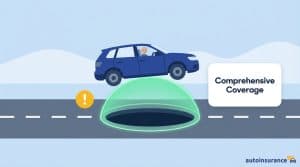
Sinkhole Coverage: Does Car Insurance Cover Sinkholes?
August 20, 2024