
 866-589-5339





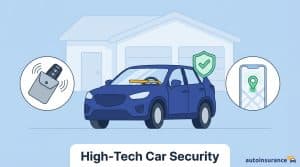
Does Installing Anti-Theft Devices Lower Car Insurance Premiums?
Not all anti-theft devices are rewarded equally by insurance companies. Here's everything you need to know about choosing the right one for you.
Get quotes from providers in your area

Discover rates as low as $24 /month


Last updated: August 20, 2026
Key Takeaways:
- Anti-theft devices range from passive systems, like immobilizers and smart keys, to active systems, like steering wheel locks and aftermarket GPS trackers.
- Factory-installed systems often qualify for higher insurance discounts than aftermarket devices do.
- Aftermarket devices are more customizable, but your insurer may require extra documentation.
- GEICO offers up to 23 percent off the comprehensive portion of your premium for approved anti-theft devices.
- Insurance discounts for anti-theft devices typically range from 5 to 25 percent off the comprehensive portion of your premium, but this rate differs by state, insurer and installed device.

Most people haven't compared rates in over a year.
Rates change constantly. A quick comparison takes 2 minutes and could put hundreds of dollars back in your pocket.
What Are Anti-Theft Devices for Cars?
Anti-theft devices are tools or technologies designed to prevent vehicle theft and, in some cases, aid in a vehicle’s recovery. They can range from active systems, like steering wheel locks, to passive systems, like electronic key fobs. Some systems, like manufacturer-installed GPS tracking and alarms, are built into the vehicle. Other systems — like wheel clamps, hood locks and aftermarket car alarms — are installed after the car is purchased.
Common Types of Anti-Theft Devices
Common anti-theft devices include steering wheel locks, hood locks, car alarms, electronic immobilizers, car alarms, GPS tracking systems, smart keys, dashcams and kill switches.
Passive vs. Active Anti-Theft Systems
Passive anti-theft systems activate automatically, while active systems require manual activation. Some examples of passive anti-theft systems are factory-installed electronic key fobs, auto-locking systems and car alarms. These systems arm automatically when the car is locked or the key is removed from the ignition. They are convenient and user-friendly, with no buttons to press or steps to remember.
Active anti-theft systems include steering wheel locks (like The Club, ubiquitous in the ’90s), brake locks, aftermarket alarms and kill switches. To employ these systems, you must manually press a button, engage a lock, or turn on a device.
Summary: Active anti-theft systems require more intentionality and effort from the user than passive systems do. However, they are more customizable and, in many cases (like steering wheel locks), provide a visible deterrent for thieves.
Factory-Installed vs. Aftermarket Devices
Factory-installed devices, also known as OEM (original equipment manufacturer) devices, are the security features your car already comes with. They are built in by the manufacturer, so they are integrated seamlessly and are usually covered under your vehicle’s warranty. Factory-installed devices may include alarm systems, built-in GPS tracking, engine immobilizers and keyless entry systems.
Aftermarket devices are add-ons, usually made by third parties. Although they do not integrate as seamlessly with your car as factory-installed devices do, they are usually cheaper and offer more opportunities for customization.
Aftermarket devices are not covered under your vehicle’s warranty. Generally, they will not void your car’s warranty as long as they are installed appropriately and don’t cause damage to the vehicle.
The Magnuson-Moss Warranty Act is a federal law that prevents manufacturers from requiring the use of specific brands to maintain a warranty. However, if the anti-theft device causes problems, your car’s manufacturer may deny warranty coverage for that specific issue. For example, if the installation of an anti-theft device involves faulty wiring that creates an electrical fire or short circuiting, the manufacturer may deny the warranty for those related repairs. In short, make sure your anti-theft devices are properly installed for the best protection.
Older vehicles that do not come with modern anti-theft technologies may benefit from aftermarket devices to upgrade their security systems.
DID YOU KNOW?
Many cars today already come with factory-installed anti-theft and safety features. If you drive a new (or newer model) car, ask your insurance company if you qualify for an anti-theft-device discount.
How Anti-Theft Devices Can Affect Your Insurance Premium
Insurance companies assess risk when calculating your rates. The higher your risk as a driver is, the more you’ll pay. Because anti-theft devices decrease the risk of your car being stolen, having them can help you qualify for discounts and save on your premiums.
Why Insurers Offer Anti-Theft Discounts
Anti-theft devices lower the risk of vehicle theft, which means fewer claims for insurance companies. That’s why many insurance companies award discounts and reduced premiums to drivers who use these security features.
Security Features That May Qualify You for an Anti-Theft Discount
You may qualify for an anti-theft discount if your car is equipped with any of the following security measures:
- Active alarm system
- Brake lock
- Vehicle recovery system/GPS tracker (e.g., LoJack or OnStar)
- Electronic immobilizer
- Kill switch
- Transponder key
- Automatic door locks
- VIN etching (which makes it harder for thieves to resell stolen parts)
- Steering wheel lock
How Much Can You Save With Anti-Theft Discounts?
An anti-theft discount can save you anywhere from 5 to 25 percent on your car insurance, depending on your insurer. GEICO takes up to 23 percent off the comprehensive portion of your premium if you own a car with built-in anti-theft systems. Allstate also offers an anti-theft discount, but you must call to see which devices are eligible and how much you’ll save. Eligibility and discount amounts also vary by state, so the best way to find out precisely how much you can save is to call your insurance company.
DIVE DEEPER
Take a look at our detailed comparison of Allstate vs. GEICO.
Which Anti-Theft Devices Are Most Likely to Earn You a Discount?
Insurer-Preferred Devices
Generally, insurers favor passive automatic devices over active ones because they depend less on the driver remembering to engage them. Insurers also tend to give bigger discounts for factory-installed devices than for aftermarket ones.
If you have an aftermarket device, you will likely need to provide proof of installation to your insurer via receipts, photos and installation certificates. Call your insurer to verify which devices it approves and its qualification requirements.
Anti-Theft Systems That May Not Qualify for a Discount
These anti-theft devices may not qualify for insurance discounts or may offer minimal savings:
- Remote keyless entry alone
- Basic alarms
- Standard door locks
- Stereo anti-theft devices
- Basic or easily defeated devices (e.g., steering wheel locks or car wheel clamps that may offer a visual deterrent but are not actually strong enough to prevent the theft itself)
- Aftermarket devices not approved by the insurer
- Devices without documentation (receipts or installation certificates)
How to Get an Anti-Theft Discount on Car Insurance
What Documentation You Need
Check with your insurance provider to find out the exact required documentation, but generally, you can expect to provide the following:
- Receipts for the anti-theft device
- Proof of installation (receipt, installation invoice, or certificate of installation)
- Your vehicle’s information (model, year, VIN) to help the insurer verify any factory-installed anti-theft systems
- Photos (especially if it’s a visible deterrent, like a steering wheel lock)
TIP
It’s a good idea to keep all documentation related to your anti-theft device, like warranties and installation records, in a safe place. You may need them when it’s time to renew your policy or you want to switch insurance companies.
When to Tell Your Insurer About an Anti-Theft Device
Before you install your anti-theft device, it’s a good idea to call your insurance company to confirm that the specific device you are planning to install is eligible for their discount and verify the documentation they require. Once you install the device, inform your insurer as soon as possible.
Should You Install an Anti-Theft Device to Save on Insurance?
Weighing Cost vs. Savings
Depending on the insurer, installing an anti-theft device can earn you 5 to 20 percent off the comprehensive portion of your insurance policy.
Let’s consider car alarms as an example. Car alarms come in a wide range of prices. Basic systems with a siren, remote and basic controllers typically run around $100. Midrange options — which include features like remote start, keyless entry and a starter immobilizer — cost between $100 and $500. High-end systems with GPS tracking, smartphone control and other advanced features can cost $1,000. Professional installation often adds another $50 to $200 to the total.
First, call your insurer to find out exactly how much of a discount you can get for different anti-theft devices. For example, if your insurance company offers a 10 percent discount off your $2,500 annual premium for installing an approved car alarm, you’d save $250 a year. If you purchased and installed the system for $200, the discount would cover those costs and continue to save you money each year. Plus, you get the benefit of increased security for your car.
Other Benefits of Anti-Theft Devices
Anti-theft devices enhance the security of your vehicle and protect it from burglary and theft. Alarms, immobilizers, steering wheel locks and GPS trackers make it harder for thieves to steal your car. GPS tracking can not only help recover your stolen vehicle but also provide evidence to support and expedite your insurance claims. In addition to safeguarding your car itself, these devices help protect the contents of your vehicle from burglary. They offer peace of mind, especially if you often park your car in public areas.
FYI
Motor vehicle theft in the United States increased by 28 percent from 2019 to 2023. Read more about the state of auto theft in the U.S. in 2025 and see if car insurance covers theft.
Companies That Offer Anti-Theft Discounts
Top Insurers That Reward Anti-Theft Features
GEICO offers an anti-theft discount of up to 23 percent off the comprehensive portion of your car insurance. Allstate, State Farm, Auto-Owners and Nationwide also provide anti-theft discounts for qualifying devices, but those companies do not specify the exact discount amount on their websites. Progressive offers anti-theft discounts in some states, like Florida and Illinois, but the eligible devices may vary.
For the most accurate information, call your insurer to confirm whether an anti-theft discount is available in your state, which devices qualify, and exactly how much you can expect to save.
THE MORE YOU KNOW
Anti-theft discounts are typically applied to the comprehensive coverage portion of your insurance policy.
How Discounts Vary by State and Provider
Anti-theft discounts typically range from 5 to 25 percent off the comprehensive portion of your premium. The exact savings vary depending on your insurer, your policy and your state’s regulations.
Insurance companies are legally mandated to offer anti-theft discounts in 12 states:
- Florida
- Illinois
- Kentucky
- Louisiana
- Massachusetts
- Minnesota
- New Mexico
- New York
- Pennsylvania
- Rhode Island
- Texas
- Washington
If you live in one of these states, you’re guaranteed to have access to some form of anti-theft savings.
Recap
Anti-theft devices can lead to peace of mind, save you money on your insurance, and speed up the recovery and claims process if your car is stolen. Before you invest in an anti-theft device, do the research and the math. Call your insurance company to confirm their list of approved anti-theft devices, the discount amount and what documentation they require.
Related Articles

Does Your Car Insurance Cover Auto Theft?
August 12, 2026

GEICO Car Insurance Pricing 2026
September 30, 2026