



AutoInsurance.com is supported by commissions from providers listed on our site. Read our Editorial Guidelines.

Find Your Perfect Policy:877-817-3636
Find Your Perfect Policy:877-817-3636
Last updated: March 10, 2026
EV Insurance Discounts: What Exists & How to Qualify
Some companies offer EV-specific discounts, but they're generally not the best way to save on car insurance.
Get quotes from providers in your area
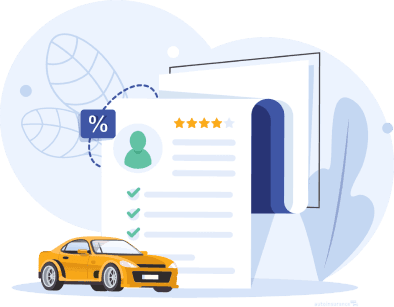

Electric vehicles are becoming increasingly popular — over 20 percent of new car sales worldwide in 2024 were EVs, representing an increase of 25 percent from the previous year.1 Part of their appeal is their lower fuel and maintenance costs, but these savings can be somewhat outweighed by their higher average insurance costs.
EVs often cost more to insure due to higher repair bills and specialized parts. While there are many ways for EV drivers to save on insurance, most of them are not specific or exclusive to EVs, though some EV-specific discounts are available from various insurers. Here’s what EV insurance discounts actually exist, how to qualify, and where drivers are most likely to save.
Companies Offering EV-Specific Discounts
Mercury and Travelers are among the only insurers that advertise an electric vehicle discount, but that doesn’t necessarily mean they’re the only companies that offer one. Some discounts may not be advertised, and they may not be available in all states, so it’s always a good idea to ask about EV discounts when you get quotes. These are sometimes also called green vehicle or alternative fuel discounts, and they generally apply to both electric and hybrid vehicles.
EV discounts are typically in the range of 5 to 15 percent off, but this will vary by insurance provider and may also vary by state.
FYI:
Electric vehicles are generally more expensive than gas cars, on average. Federal tax incentives for electric vehicle purchases expired in September 2025 due to the “One Big Beautiful Bill.” The cost of many EVs has decreased as a result, making ownership more accessible, though overall costs remain higher than they were with the credit.2
How to Qualify for EV Discounts
Qualifying for EV discounts is usually straightforward, as you’ll need to provide your vehicle information upfront when you request a quote and purchase a policy.
These discounts tend to apply generally to electric and hybrid cars, but some insurers may have a list of cars that qualify, which you can ask about before you purchase a policy. Depending on the company, you may also need a clean driving record to be eligible.
If you have a qualifying vehicle and your insurer offers a relevant discount, it should be applied automatically. However, this isn’t always the case, so be sure to confirm the discount is added to your policy.
Common Discounts Available to EV Drivers
There are many commonly offered discounts that EV drivers can take advantage of to save on auto insurance, even if they aren’t all EV-specific. Here are some of the best car insurance discounts to look for:
- Bundling: Purchasing your EV car insurance and another type of insurance, such as home or renters, from the same insurer will qualify you for a bundling discount. This is generally one of the best discounts available and ranges from 10 to 25 percent, though some companies offer discounts of up to 40 percent.
- Good driver: Maintaining a clean driving record will help you get the lowest baseline rates on car insurance, and many insurers offer additional discounts for good drivers. Typically, this entails not having any violations within the past three years.
- Multi-vehicle: If you insure more than one car with the same insurer, you’ll usually qualify for a discount.
- Low mileage: EVs tend to log fewer miles than gas cars, and if you drive your electric car less than average, some insurers may offer you a discount since driving less means a lower risk of accidents.
- New vehicle: If you own a new EV, you may be able to offset some of the cost with a new car discount. Typically, the car must be less than three model years old, and some companies have mileage requirements as well.
- Safety features: Many auto insurers offer discounts for cars equipped with certain safety features that come standard with EVs, given that they are newer cars, relatively speaking.
- Good student: If you have a teen driver on your policy, you can expect to pay even more for auto insurance. Good student discounts are available from most insurers for full-time students who maintain a good academic record — usually at least a B average.
- Defensive driving course: If you take an approved defensive driving course, you may be able to get a discount on your car insurance policy. These discounts are commonly available to seniors in particular.
Telematics programs
Another great way to save a significant amount on car insurance is by signing up for a telematics program. Most insurers offer these programs, which track your driving habits and provide discounts based on how safely you drive. Some programs may increase your rates for unsafe driving, depending on your state, so always read over the terms closely before deciding to participate.
You can expect a discount of around 10 to 15 percent just for signing up, and an additional discount of up to around 30 percent at renewal if you drive safely. Most telematics programs track driving behavior like speed, hard braking, and acceleration, and some will also track phone use, mileage, and what time of day you drive.
EV Insurance Rates
EVs tend to be more expensive to insure than their gas-powered counterparts for several reasons, including their higher average purchase prices and high repair costs. Auto-Owners and Travelers offer some of the best auto insurance for EVs, with low rates and robust coverage options. Travelers also offers an EV-specific discount.
The table below displays various insurers’ average annual premiums for EVs compared to all vehicle types to give you an idea of the difference in cost between the two. However, keep in mind that your rate will depend on the vehicle make and model — having an electric car doesn’t automatically mean you’ll pay more for insurance.
| Company | Average Annual Premium for EVs | Average Annual Premium for All Vehicle Types |
|---|---|---|
| Auto-Owners | $1,740 | $1,870 |
| Travelers | $1,959 | $1,837 |
| Erie | $2,082 | $1,833 |
| State Farm | $2,125 | $2,030 |
| GEICO | $2,692 | $1,867 |
| American Family | $2,742 | $2,181 |
| Progressive | $2,993 | $2,060 |
| Allstate | $3,256 | $2,915 |
| Farmers | $4,578 | $3,023 |
EV Tax Credits
Congress originally passed legislation granting federal tax credits of up to $7,500 for purchases of electric vehicles back in 2008. These credits existed in various forms up until September 30, 2025, when they were eliminated by Congress. Tax credits provided a significant incentive to buy EVs and eased the financial burden substantially, so EV drivers now need to look to other ways to cut costs elsewhere, which can include insurance discounts.
In addition, it’s important to note that while tax credits are no longer available at the federal level, various incentives ranging from grants to utility credits are still available in several states. The states offering EV incentives include California, Colorado, Connecticut, Delaware, Maine, Massachusetts, New Jersey, New York, and Rhode Island. State laws and regulations can change at any time, so it’s best to check up on the latest incentives if you’re planning an EV purchase.
Recap
Some auto insurers advertise green vehicle or EV-specific discounts, but they don’t always offer significant savings and may not be available in every state.
Shopping around often matters more than the vehicle’s fuel type when it comes to getting the best rate, and EV drivers can save more through other common discount opportunities, including telematics programs, low-mileage discounts, or bundling policies.
Offerings vary widely by insurer and location, so the best way to maximize savings is to ask directly about alternative fuel discounts and compare multiple quotes to see which company offers the best rate for a given electric car.
Frequently Asked Questions
The cheapest EV to insure will largely depend on the insurer you go with, as each company has its own pricing methods, and there is no single cheapest model to insure across the board. That said, the Kia Niro EV, Nissan Leaf, and Hyundai Kona EV are typically cheaper to insure, on average, than other electric vehicles.
Auto-Owners, Travelers, and State Farm offer some of the best insurance coverage for EVs, depending on your needs. However, you might find that a different company works better for you, so it’s always a good idea to get quotes from and research multiple companies before making a decision.
One of the main downsides of electric cars is that they tend to cost more upfront, on average, than gas cars. They also generally cost more to insure, though they can help you save on fuel costs. Other downsides include the time it takes to charge and the lack of adequate charging stations in some areas of the country.
There is no Trump rebate for electric cars — the Trump administration’s “Big Beautiful Bill” eliminated the federal EV tax credits that had been passed during Biden’s presidency for vehicles purchased after September 30, 2025. As of early 2026, there are no longer any federal tax credits or rebates for electric cars.
Sources
Trends in electric car markets. IEA. (2026).
https://www.iea.org/reports/global-ev-outlook-2025/trends-in-electric-car-markets-2Tesla Prices Climb as the Rest of the EV Market Falls. iSeeCars. (2026, Feb 18).
https://www.iseecars.com/ev-market-study
Related Articles
The Safest Cars According to Insurance Loss Data
March 10, 2026Why is Car Insurance So Expensive in New York?
March 5, 2026Best Cheap Car Insurance in New York City
February 24, 2026